

Blog Articles - 60 Garner North
Beginner
How do you finish a knitting project?
A knitting project can be finished in different ways, or bound off in different ways depending on how you want the edge. The most common and simplest bind-off I have practically stopped using because I find it a bit stiff; instead, I sometimes do a simple version of an elastic bind-off. I will show both versions on a swatch.
Stump Deworming
The simple, tight bind-off can advantageously be used when binding off a neckline if there is a risk that the neckline will become too loose, but usually you want a slightly more stretchy bind-off. I knit the simple bind-off like this:
I knit two stitches, then lift the first knitted stitch over the second - now I have bound off one stitch. I continue this way over the stitches to be bound off, knitting one stitch so that I have two stitches on the right needle, lifting the first stitch over the second and knitting the next, lifting over and knitting the next, lifting over, and so on… until I reach the very last stitch. Then I cut the yarn and pull it through the stitch and tighten. Done!
Elastic Bind-Off
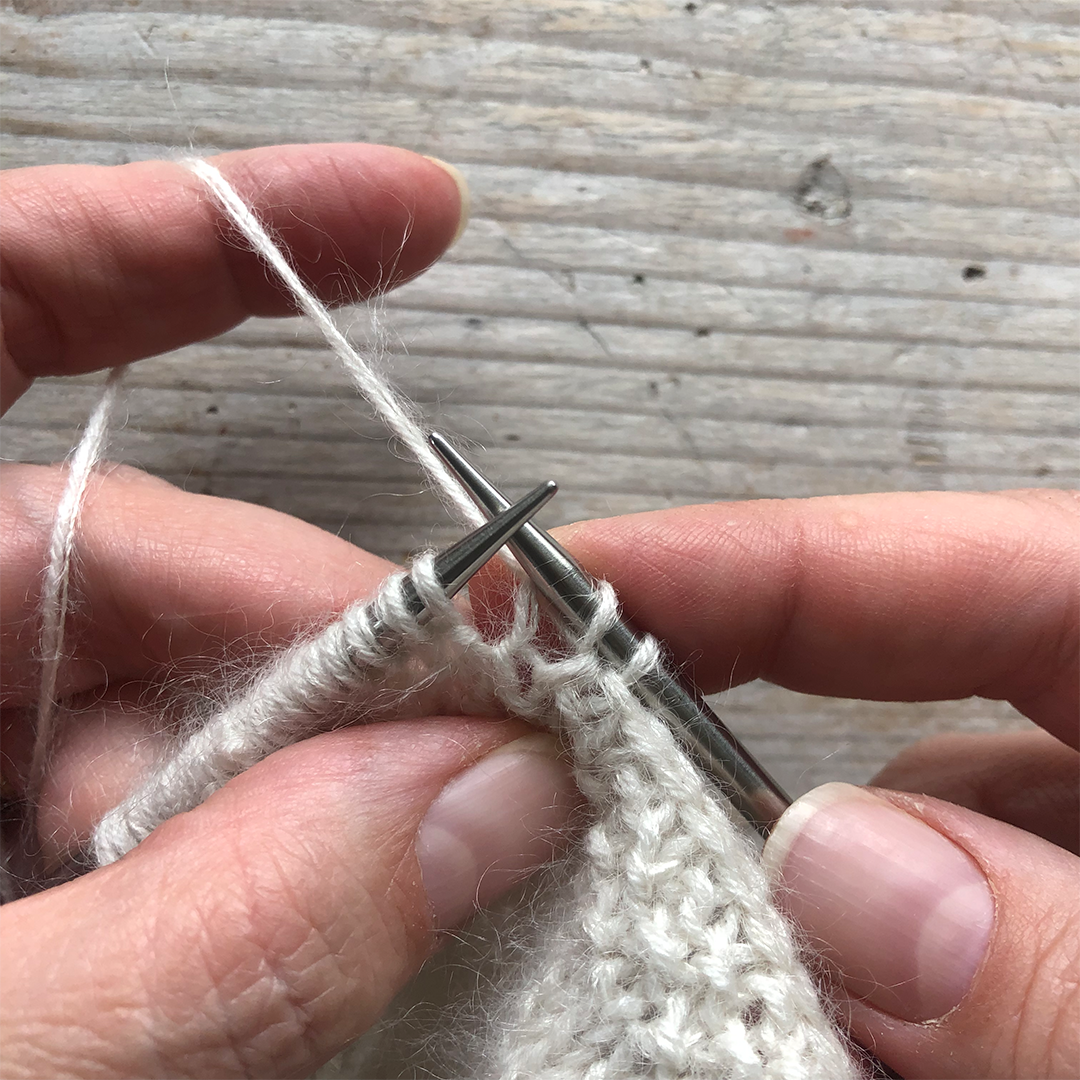
I sometimes use the elastic bind-off for sleeve cuffs and the bottom of a sweater when I want a slightly stretchier edge. In the example, I am talking about a 2x2 rib, meaning 2 knit stitches and 2 purl stitches, but it works just as well with 1x1 rib or any type of rib because knit stitches are knitted and purl stitches are purled regardless of how the rib is designed.
So I knit purl and knit according to the established rib but bind off like this:
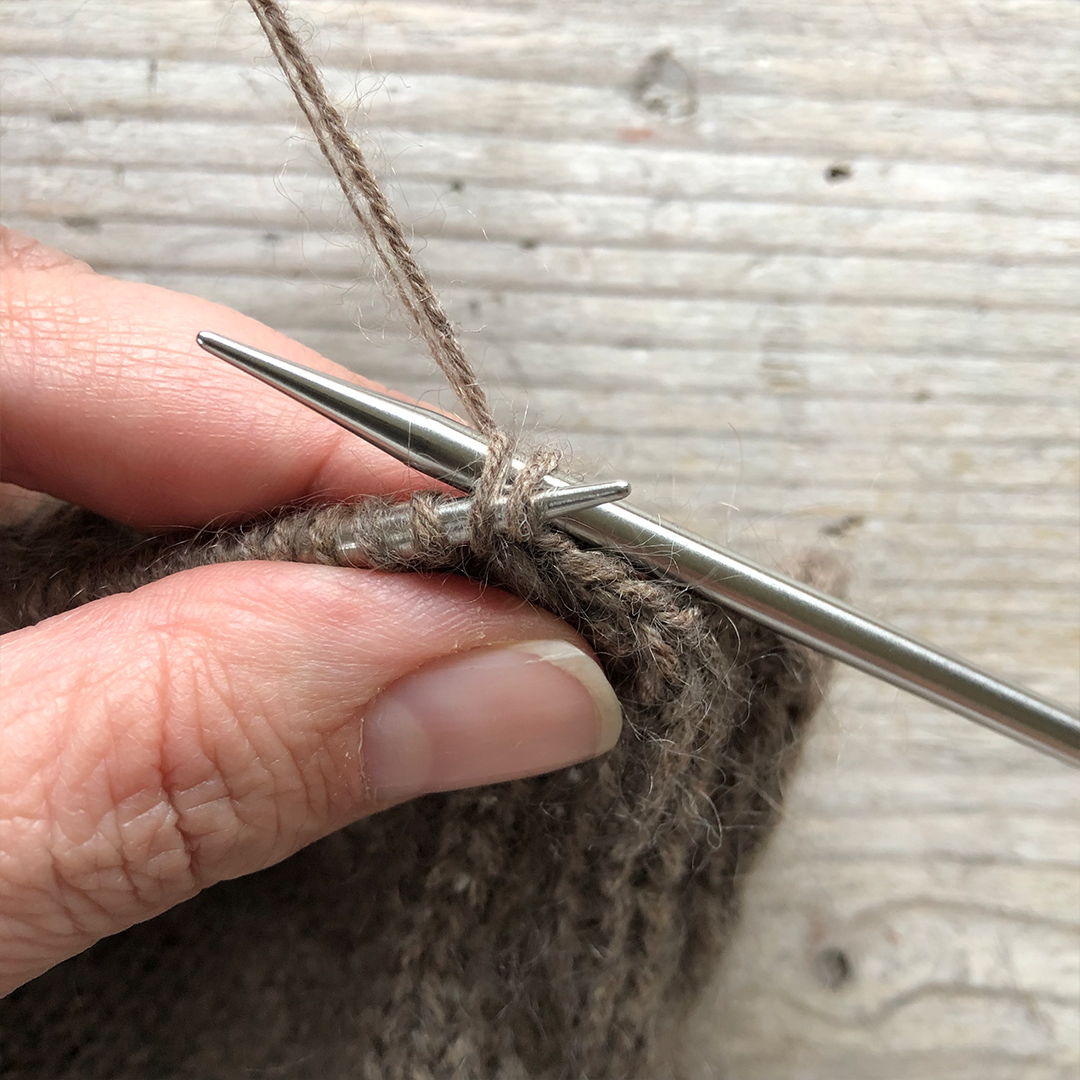
I knit the first knit stitch knit BUT put it back on the left needle, then I knit two knit stitches together through the back loop.
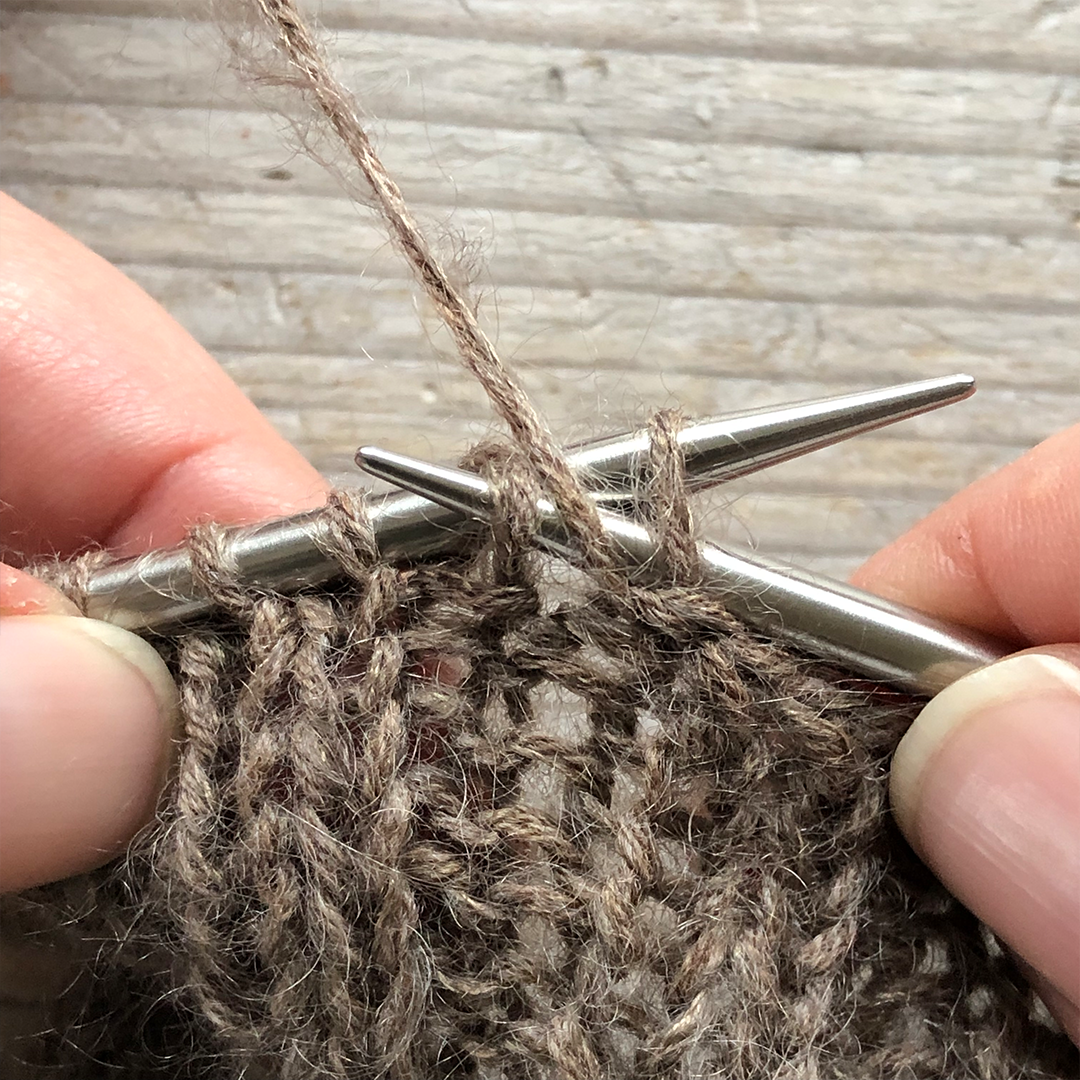
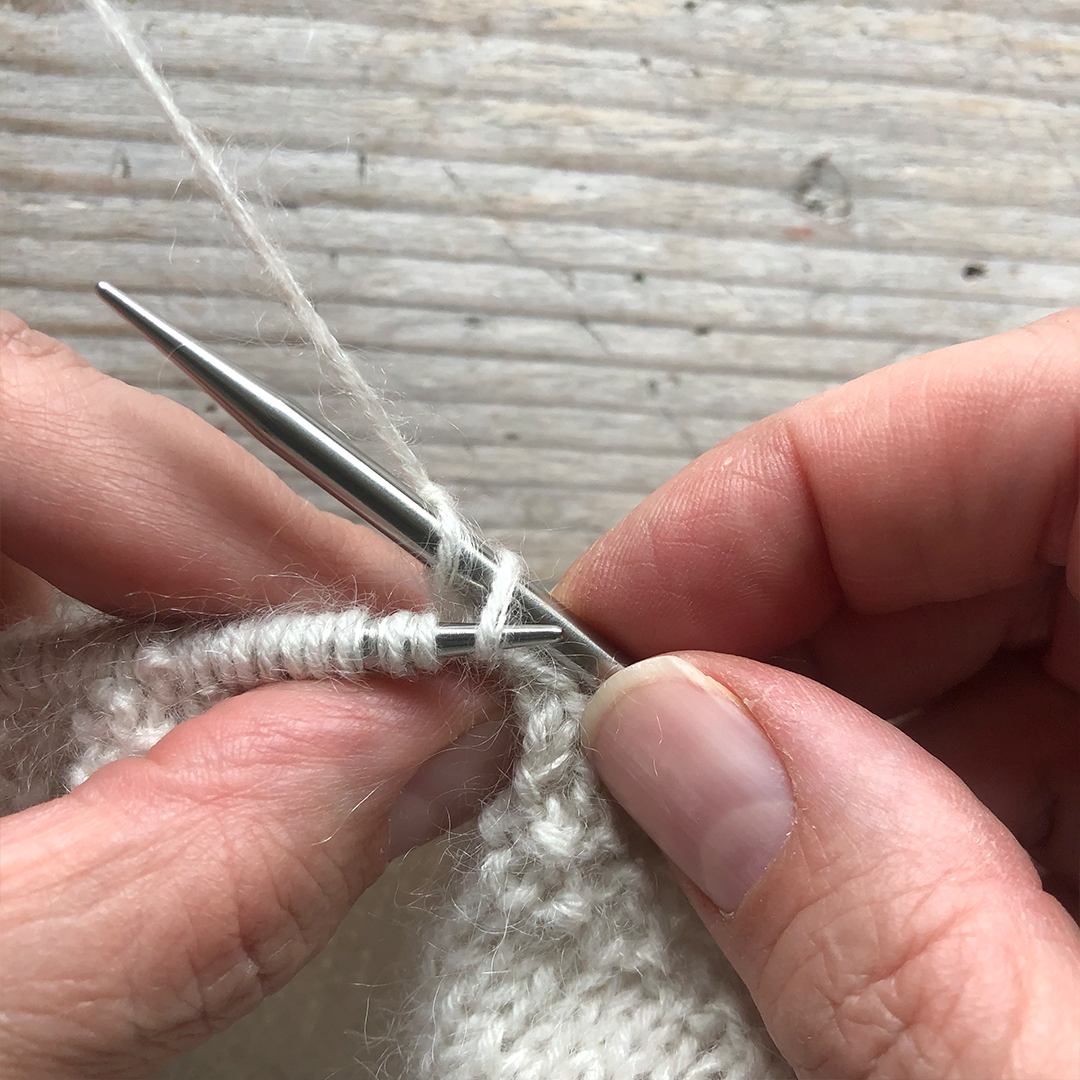
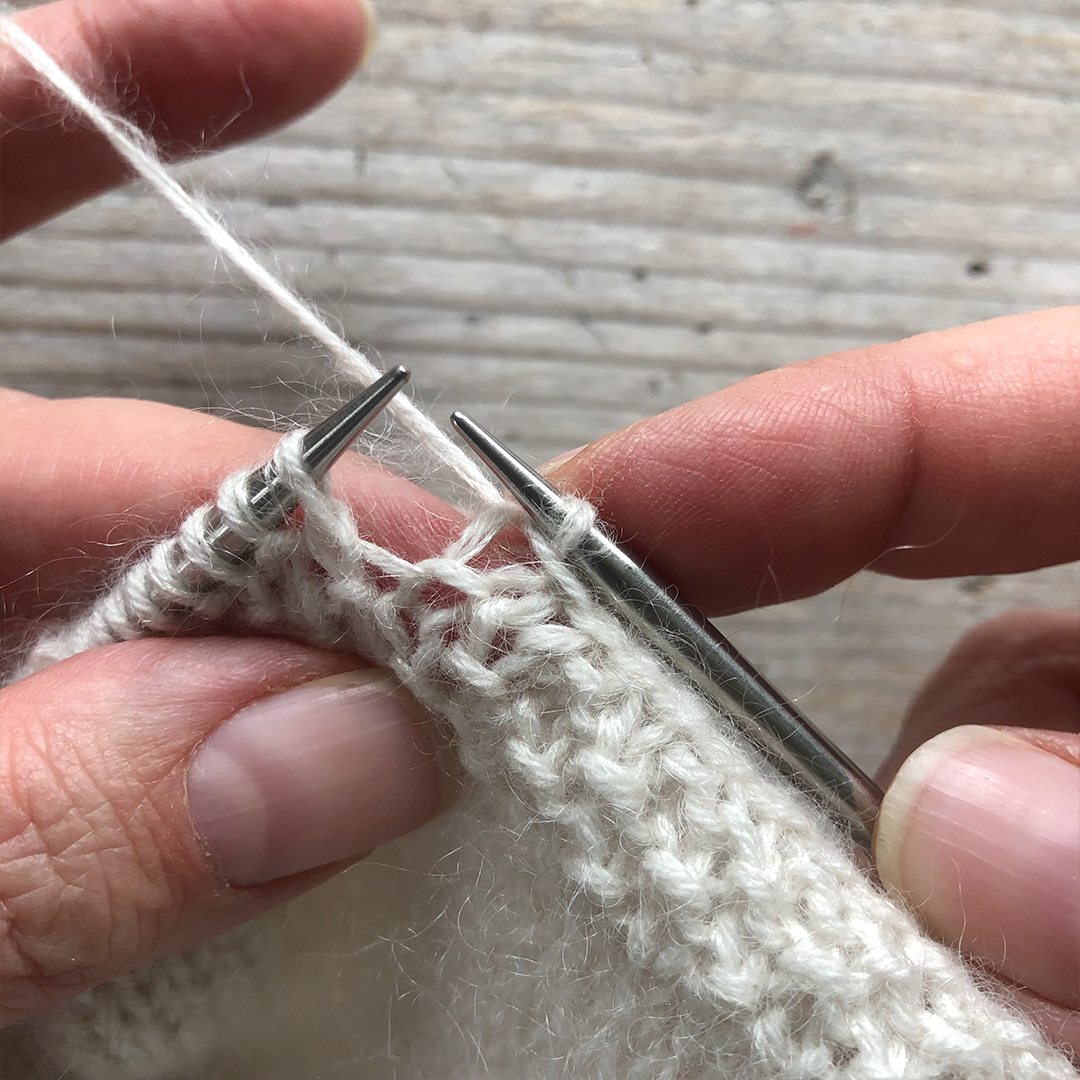
The next stitch is a purl stitch, and before I knit it, I slip the stitch from the right needle to the left needle with the yarn in front and knit these two stitches together purlwise.
The next stitch is another purl, I do the same there - slip the stitch from the right needle to the left needle and knit both stitches together purlwise.
The next stitch is a knit stitch, then I slip the stitch from the right needle to the left needle, just like before, and knit both stitches together through the back loop, and so on. So in this bind-off, there is a bit more slipping of stitches and you are constantly knitting two stitches together.
Knit: Knit two stitches together through the back loop
Purl: Purl two stitches together purlwise.
So if you look at the pattern, when the next stitch is knit, it is knitted knitwise, and when the next stitch is purl, it is purled purlwise.
More technicians
In addition to these two simple variants, there is a plethora of different techniques for binding off. An absolute favorite of mine is sewn bind-off, or as it is called in English, Italian bind-off or tubular bind-off, which are two different variants.
When using this technique, you get a result that looks like this…
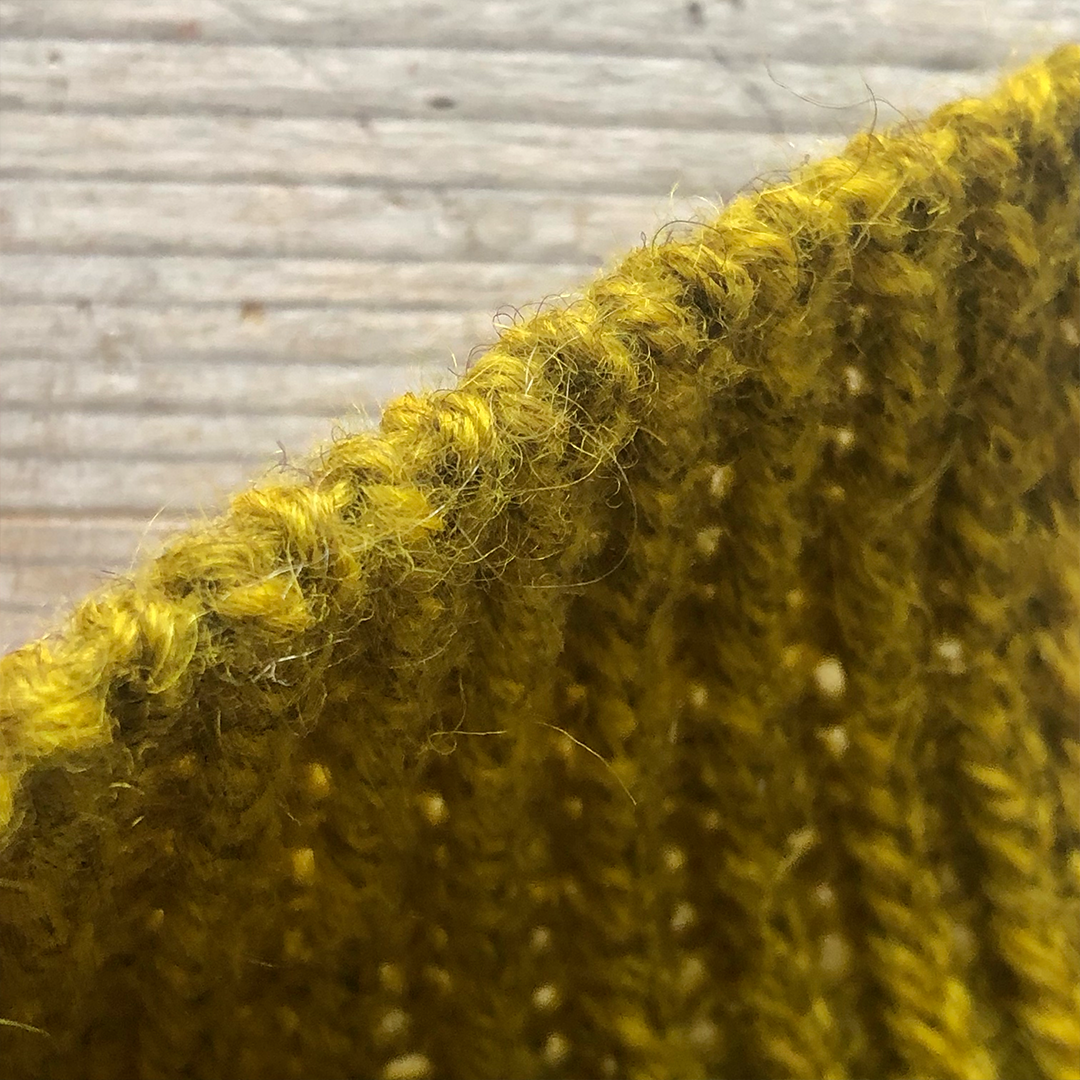
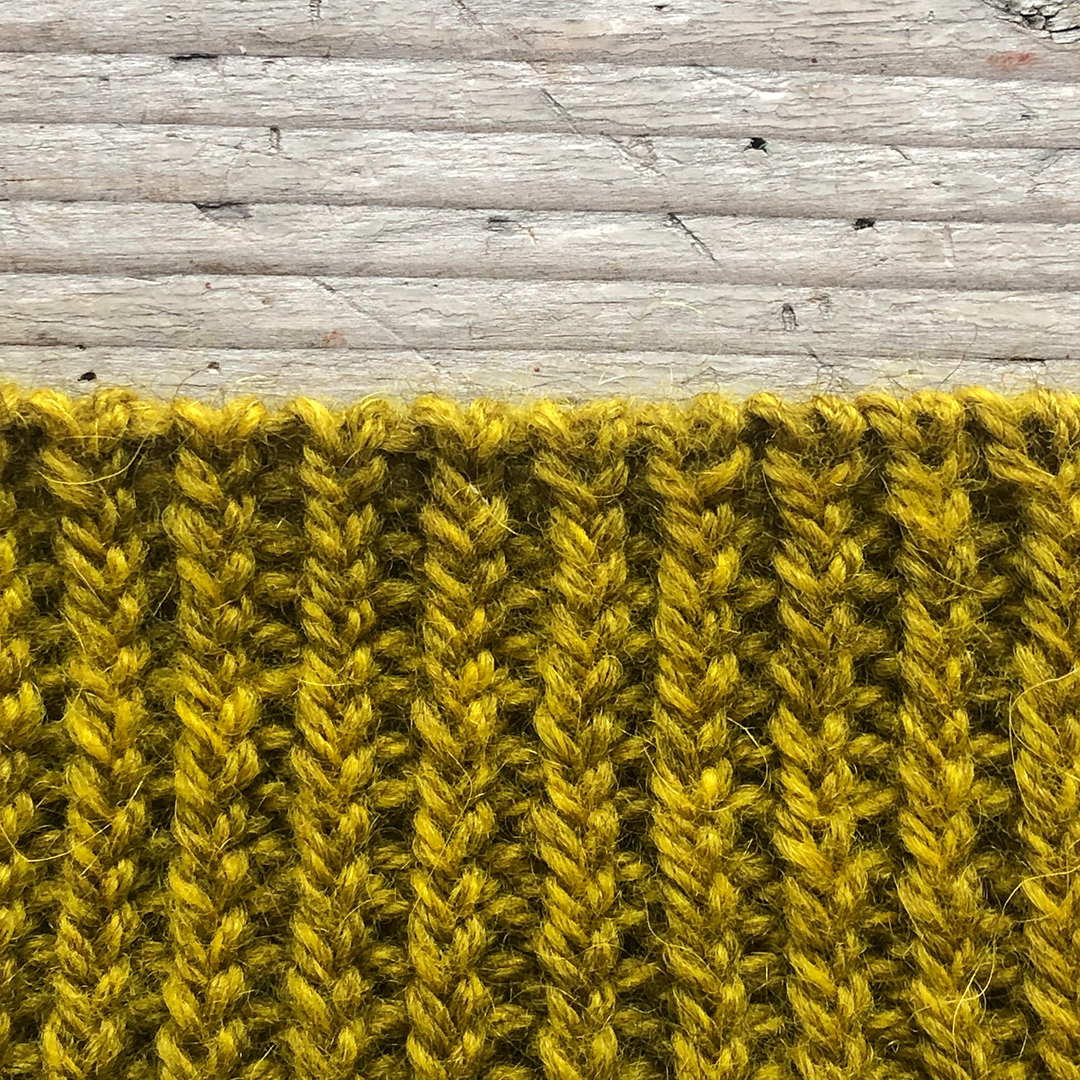
Nice… right… and it is also elastic. But we'll save that for another time.
Hugs / Pernilla